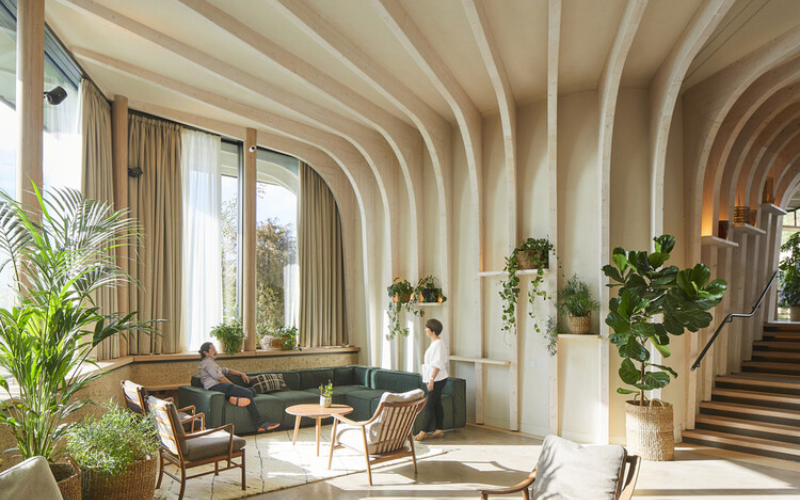
Interior design is not just about making spaces look beautiful; it’s about creating an environment that reflects the essence of those who live or work there. Whether it’s a home, an office, or a public space, the design plays a significant role in shaping our emotions, behavior, and even productivity.
The Importance of Interior Design
Interior design is more than aesthetics. It’s about functionality, sustainability, and creating harmony between space, light, and furniture. A well-designed interior is intuitive, making daily tasks easier, and ensuring every inch of space is used to its fullest potential. It balances comfort and style while aligning with the needs and tastes of the people who inhabit the space.
Key Elements of Interior Design
- Space Planning
Space is the foundation of any design. A successful interior layout starts with a clear understanding of how the space will be used. The art of space planning ensures that the flow within the room feels natural while leaving enough breathing space for movement and functionality. - Color Scheme
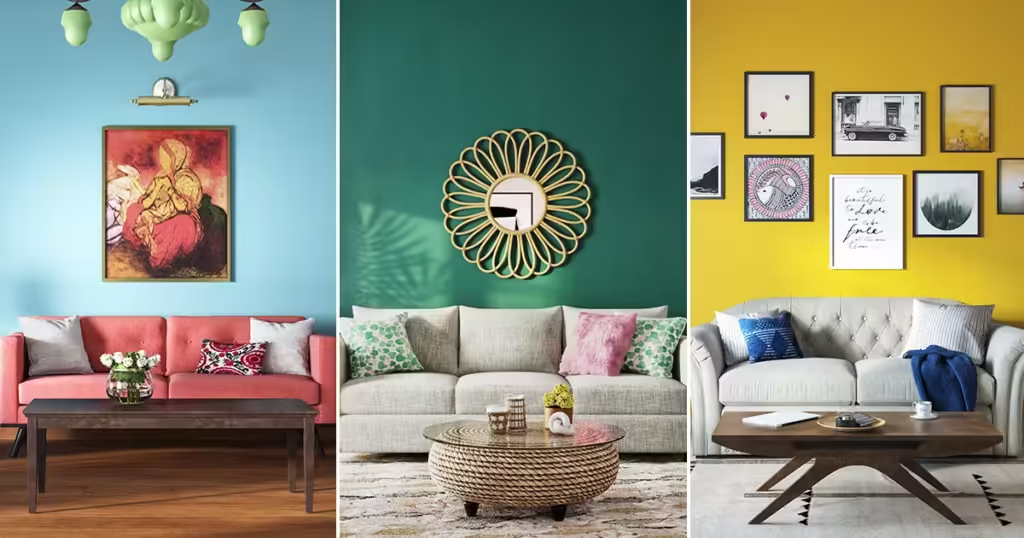
Colors have a profound impact on mood and perception. For instance, soft tones like pastels create a calming environment, while bold colors like reds and oranges evoke energy and excitement. Designers use color psychology to enhance the feeling a space should evoke, whether it’s tranquility in a bedroom or productivity in an office. - Furniture & Decor
The furniture in a room defines its purpose. In a minimalist setting, less is more; the focus is on clean lines and open spaces. In contrast, a bohemian style embraces an eclectic mix of pieces. Interior designers consider both form and function, ensuring that every piece serves a purpose while contributing to the overall aesthetic. - Lighting
Good lighting can completely transform a room. Natural light brings warmth and positivity, while artificial lighting can be used to highlight specific areas or create a certain mood. Layered lighting, such as a combination of ambient, task, and accent lights, adds depth and dimension to any design. - Textures and Materials
Combining different textures can bring depth and interest to a design. Materials like wood, metal, and fabrics contribute to the sensory experience of a space. For instance, plush rugs or cushions add comfort and warmth, while sleek metal or glass gives a modern edge. - Personalization
Great interior design reflects the personality of the individuals using the space. Designers often incorporate personal touches through artwork, heirlooms, or custom pieces that tell a story. Personalization ensures that the space doesn’t feel generic, but rather unique and meaningful.
Current Trends in Interior Design
Interior design trends are constantly evolving. Here are some of the most popular trends shaping homes and offices today:
- Sustainability
Eco-friendly design is becoming a priority. From using recycled materials to incorporating energy-efficient systems, sustainability is a key focus for modern interior design. - Biophilic Design
This trend focuses on bringing nature indoors, using natural materials, plants, and organic patterns to create a sense of connection with the environment. - Minimalism
The “less is more” philosophy continues to dominate, with clean lines, neutral color palettes, and functional furniture at the heart of minimalist interiors. - Maximalism
On the opposite spectrum, maximalism is about embracing bold colors, patterns, and an eclectic mix of styles and décor. It celebrates individuality and self-expression. - Smart Homes
Technology is becoming more integrated into our living spaces. Smart homes feature automated lighting, climate control, security systems, and even AI-driven design solutions, making our environments more convenient and efficient.
Conclusion
Interior design is not just about making spaces visually appealing—it’s about transforming them into environments that reflect personality, enhance well-being, and improve functionality. Whether you’re redecorating a home or designing a commercial space, understanding the fundamental elements and staying on top of current trends will help create a space that’s both beautiful and practical.
For a truly unique design, it’s always best to consult with a professional interior designer who can bring your vision to life with expertise, creativity, and an eye for detail.
Recent Comments