
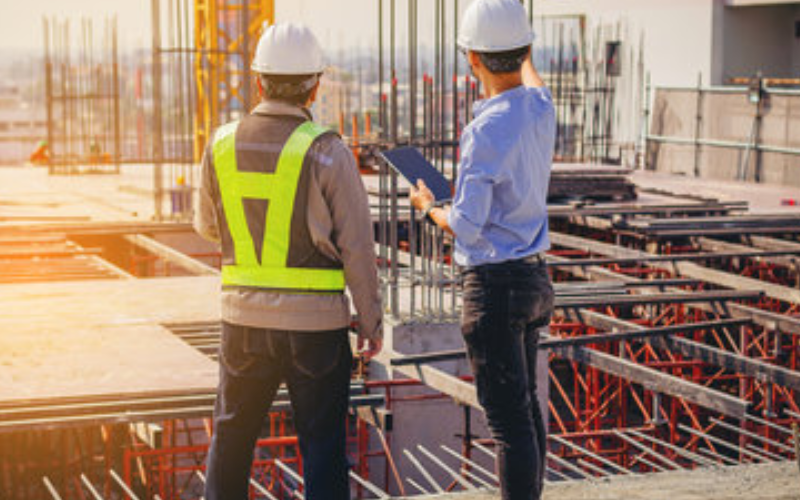
The construction industry has always been a cornerstone of human development, shaping the skylines of cities and creating the infrastructure that supports everyday life. However, the way we build is rapidly changing. Modern construction techniques, technologies, and materials are revolutionizing the industry, making it more efficient, sustainable, and resilient.
In this blog, we’ll explore some of the latest trends and innovations in construction, shedding light on how they are shaping the future of building.
1. Sustainable Construction
Sustainability is no longer a buzzword; it’s a necessity in construction. The industry is responsible for a significant portion of global carbon emissions, making eco-friendly practices and materials crucial. Green construction focuses on reducing the environmental impact of buildings throughout their lifecycle, from the sourcing of materials to energy efficiency during use.
Key sustainable practices include:
- Green Building Materials: Using materials like bamboo, recycled steel, and low-VOC (Volatile Organic Compounds) paints to reduce environmental harm.
- Energy-Efficient Designs: Incorporating solar panels, energy-efficient HVAC systems, and natural ventilation into the design.
- Waste Reduction: Implementing methods such as modular construction to reduce waste on-site and recycling construction debris.
Certification systems like LEED (Leadership in Energy and Environmental Design) and BREEAM (Building Research Establishment Environmental Assessment Method) are setting standards for sustainable building practices, pushing the industry towards greener solutions.
2. Modular and Prefabricated Construction
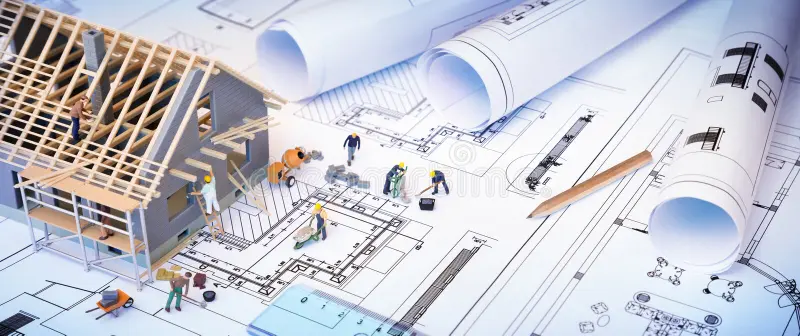
Modular and prefabricated construction is gaining traction as a cost-effective and time-saving solution. In this method, building components are manufactured off-site in a controlled environment and then transported to the construction site for assembly. This approach reduces construction time, minimizes waste, and improves quality control.
Benefits of modular construction include:
- Speed: Projects can be completed 30-50% faster than traditional methods.
- Cost Efficiency: By reducing on-site labor and material waste, costs are lower.
- Scalability: Modular buildings are highly customizable, making them ideal for residential, commercial, and even healthcare structures.
This technique is particularly useful in urban environments where space and time constraints are significant challenges. Prefabrication also enhances safety by reducing on-site construction activities and mitigating risks associated with weather conditions.
3. Smart Buildings and Construction Technology
The integration of smart technologies is reshaping the construction landscape. With the rise of the Internet of Things (IoT), artificial intelligence (AI), and automation, buildings are becoming smarter and more connected. From design to operation, these technologies are making construction more efficient and sustainable.
Some exciting innovations include:
- Building Information Modeling (BIM): BIM is a digital representation of a building’s physical and functional characteristics. It allows architects, engineers, and contractors to collaborate more effectively, reducing errors and improving project outcomes.
- Drones and Robotics: Drones are being used for site surveys, inspections, and monitoring, while robotics are assisting with tasks like bricklaying, demolition, and even concrete pouring.
- Smart Sensors: These devices are embedded in buildings to monitor energy consumption, air quality, and structural integrity, allowing for real-time adjustments to improve efficiency and safety.
Smart buildings also enhance the user experience by integrating automated systems for lighting, security, HVAC, and more. These systems not only improve comfort but also reduce energy consumption, contributing to long-term sustainability.
4. 3D Printing in Construction
3D printing, also known as additive manufacturing, is making waves in the construction industry. It allows for the creation of complex building components by layering materials such as concrete, plastic, or even metals. 3D printing has the potential to revolutionize how we construct buildings, offering numerous advantages:
- Cost Savings: 3D printing significantly reduces labor costs and material waste.
- Design Flexibility: Intricate designs that were once difficult or impossible to achieve with traditional methods can now be realized with ease.
- Speed: 3D printers can produce building components or even entire structures much faster than conventional methods.
One of the most notable projects is the construction of 3D-printed houses, which are being explored as a solution for affordable housing in developing regions. These homes can be built in a fraction of the time and at a lower cost, addressing the growing demand for affordable and sustainable housing.
5. Resilient Construction
With the increasing frequency of natural disasters such as hurricanes, floods, and earthquakes, resilient construction has become a priority. Resilient buildings are designed to withstand extreme weather conditions and other environmental stressors, ensuring the safety of occupants and the longevity of the structure.
Strategies for resilient construction include:
- Stronger Materials: Using high-performance concrete, reinforced steel, and impact-resistant glass to improve structural durability.
- Flood-Proof Designs: Incorporating elevated foundations, water-resistant materials, and flood barriers to protect buildings from water damage.
- Earthquake-Resistant Structures: Designing buildings with flexible frameworks, seismic dampers, and base isolators to absorb and dissipate the energy from earthquakes.
By building resilient structures, we can minimize damage, reduce recovery costs, and protect lives during natural disasters.
6. Sustainable Urbanization and Smart Cities
As urban populations grow, the demand for sustainable, efficient cities is on the rise. The concept of smart cities focuses on integrating technology, sustainability, and design to create livable, eco-friendly urban environments. In the construction industry, this means building infrastructure that supports smart city initiatives, such as:
- Green Roofs and Walls: These eco-friendly features not only enhance air quality but also help manage stormwater and reduce the urban heat island effect.
- Public Transportation Infrastructure: Designing efficient and sustainable transport systems, including electric buses, bike lanes, and pedestrian-friendly walkways.
- Mixed-Use Buildings: Creating spaces that combine residential, commercial, and recreational functions to reduce urban sprawl and improve walkability.
Smart city construction goes beyond individual buildings to focus on the broader urban environment, making cities more efficient, resilient, and sustainable.
Conclusion: Building Tomorrow, Today
The future of construction is being shaped by innovation, sustainability, and resilience. As the industry evolves, we are seeing a shift towards smarter, greener, and more efficient building methods that prioritize both people and the planet. By embracing new technologies, materials, and design philosophies, construction companies can create spaces that are not only functional and beautiful but also sustainable and future-proof.
Whether it’s through modular construction, smart buildings, or resilient designs, the construction industry is playing a critical role in building the future of our cities and communities. As we continue to innovate, the possibilities for what we can create are endless.
Recent Comments